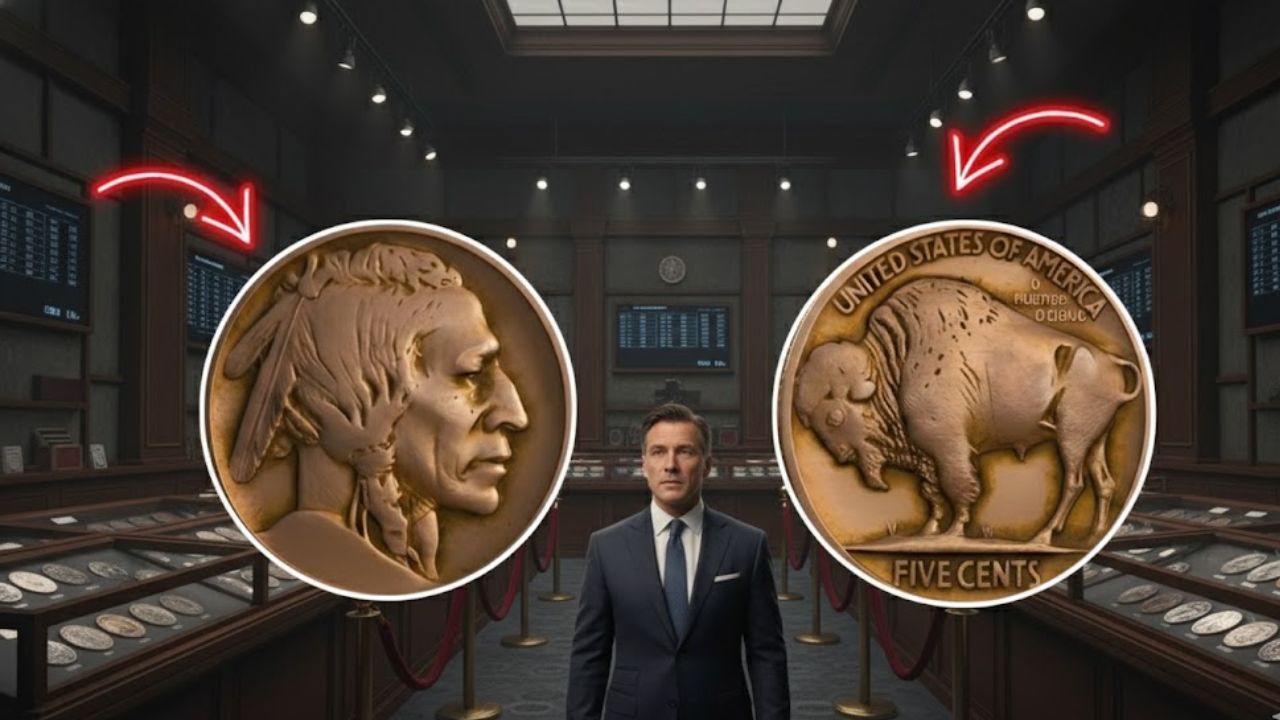
Buffalo Nickel Value 2026: Coin collecting is full of moments where simple objects gain unexpected importance. A perfect example is the Buffalo Nickel, a five-cent coin that once circulated freely but now holds strong appeal among collectors. Produced from 1913 to 1938, this iconic coin reflects a defining period in American history and artistic expression. While many Buffalo Nickels are affordable, certain dates, errors, and well-preserved examples can be worth hundreds or even thousands of dollars. Stories of long-forgotten coins rediscovered years later continue to fuel excitement, including finds pulled from old jars and piggy banks that turned out to be surprisingly valuable.
Buffalo Nickel at a Glance
| Detail | Information |
|---|---|
| Official Name | Buffalo Nickel or Indian Head Nickel |
| Years of Issue | 1913 to 1938 |
| Designer | James Earle Fraser |
| Metal Composition | 75 percent copper, 25 percent nickel |
| Most Famous Error | 1937-D Three-Legged Buffalo |
| Typical Value Range | $1 to $50 |
| High-Value Examples | $1,000 or more depending on rarity and condition |
The value of the Buffalo Nickel is not limited to money alone. Its bold imagery and historical context make every surviving coin a small artifact from America’s past.
Origins and Artistic Design of the Buffalo Nickel
The Buffalo Nickel was introduced in 1913 to replace the Liberty Head Nickel. Sculptor James Earle Fraser aimed to create a design that honored the American West. The front of the coin features a Native American portrait inspired by several tribal leaders, while the reverse depicts a powerful American bison, believed to have been modeled after Black Diamond, a famous zoo animal.
This striking design was unlike anything seen before on U.S. coinage. However, the high relief and fine details wore down quickly in circulation, which is why sharply detailed examples are now much harder to find and significantly more valuable.
Why Certain Buffalo Nickels Are Worth More
Buffalo Nickel value is influenced by several important factors. Rarity is a major consideration, especially for coins produced in smaller quantities or specific mints. Condition also plays a huge role, as coins with clear dates, strong rims, and visible details attract much higher prices.

Mint errors further increase value. Coins with missing features, unusual die wear, or striking mistakes are highly desirable among collectors. In addition, specific years have developed strong reputations for scarcity, making them stand out from more common issues.
Key Dates and Famous Buffalo Nickel Varieties
Some Buffalo Nickels are especially well known in the collecting world. The first year of issue, 1913, includes two different designs. Type 1 shows the buffalo standing on a raised mound, while Type 2 features a flatter ground line. Early San Francisco issues, such as the 1913-S, are also difficult to locate in good condition.
The most famous variety is the 1937-D Three-Legged Buffalo Nickel. Excessive polishing of the die removed much of one leg from the buffalo, creating a dramatic error. This single mistake transformed an ordinary coin into one of the most sought-after nickels ever minted.
A $3,000 Buffalo Nickel Found in a Piggy Bank
One remarkable story involved a Buffalo Nickel that sat unnoticed in a piggy bank for nearly thirty years. Mixed in with everyday spare change, the coin appeared ordinary at first glance. Only after closer inspection did its importance become clear.
Experts identified it as a 1913 Type 1 Buffalo Nickel in unusually strong condition. Most examples from that year show heavy wear, but this coin retained clear features and minimal damage. Because of its early date and preservation, it was appraised at approximately $3,000, shocking the family who discovered it.

Other Notable Buffalo Nickel Discoveries
The piggy bank find is not an isolated case. Valuable Buffalo Nickels are frequently uncovered in inherited collections, old drawers, and forgotten containers of coins. Some collectors have discovered rare nickels in rolls saved decades ago, while others have stumbled upon high-value errors during routine sorting.
In one well-known example, a 1937-D Three-Legged Buffalo Nickel found among inherited coins later sold for tens of thousands of dollars. These discoveries highlight why collectors carefully examine every old coin they come across.
How to Identify a Valuable Buffalo Nickel
Anyone who owns Buffalo Nickels should start by checking the date and mint mark. Certain years and mint locations are far more desirable than others. Examining the buffalo’s legs and the Native American portrait can reveal missing details or unusual features that may signal an error.
Condition is critical. Coins with readable dates, sharp design elements, and limited wear are significantly more valuable. When uncertainty exists, professional grading and authentication provide the most reliable assessment.
The Lasting Appeal of the Buffalo Nickel
Even common Buffalo Nickels continue to attract interest because of their distinctive design and cultural importance. They represent a time when U.S. coinage embraced bold, realistic imagery. As high-quality examples become harder to find, collector demand continues to grow, especially among newcomers drawn to classic American coins.

Final Verdict
The Buffalo Nickel is far more than an old five-cent coin. It represents American history, artistry, and the enduring excitement of discovery. While many examples remain affordable, rare dates, famous errors, and well-preserved coins can transform simple change into a valuable and meaningful collectible. For collectors, the Buffalo Nickel proves that hidden treasures can still surface when least expected.
Disclaimer
This article is intended for informational purposes only. Buffalo Nickel values depend on condition, rarity, and current market demand. Always consult professional coin dealers or certified grading services before making buying or selling decisions.
